
An island of new zealand with large clouds above

History of New Zealand


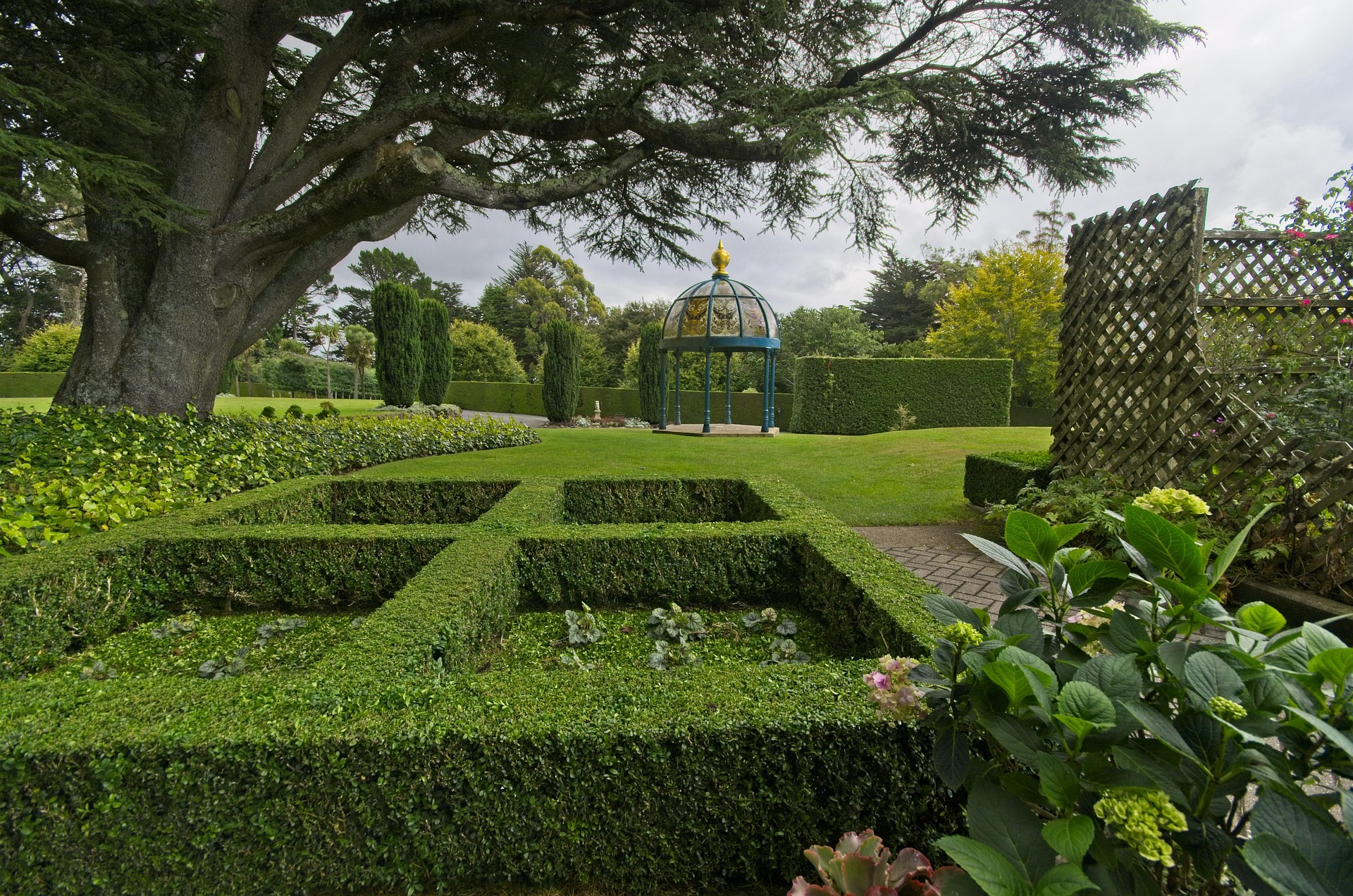
A garden

New Zealand, known in Maori as Aotearoa, is a stunning island nation in the southwestern Pacific Ocean composed primarily of the North and South Islands. The country is renowned for its diverse, breathtaking scenery, ranging from active volcanic zones and geothermal springs in the north to the dramatic Southern Alps and glaciers in the south. Wellington is the capital city, while Auckland is the largest, with both serving as hubs in a nation that holds a rich, unique biodiversity. It is the home of the kiwi bird and the indigenous Māori people, whose culture is a deep, integral part of national identity. Visitors often explore its lush landscapes, which became famous for being featured in many film productions. As a nation, New Zealand was a pioneer, being the first to give women the right to vote. Today, it is recognized for its high quality of life, adventure tourism, and environmental conservation efforts.

New Zealand's History

The history of New Zealand is very long, beginning with the Polynesian settlement around 1250 AD where they survived 400 years before Europeans came where they killed a man by the name of Abel Tasman. The Europeans then offered a treaty, the Treaty of Waitangi.

The Beginnings
It all started in 1250 with the Polynesians, there were only about 2000 of them by 1839 when the British arrived. The Polynesians developed a unique culture in the time. When they arrived they immediatly started altering the land for agriculture.
European Arrival
Europeans arrived around 1642 with the Dutch explorer Abel Tasman. Later in 1769 an explorer by the name of James Cook decided he would map the islands significantly. In the 1840s the New Zealand compamy brought over 14000 European settler
Treaty of Waitangi
With growing lawlessness in New Zealand the British decided to propose the Treaty of Waitangi to the Maori. 43 chiefs signed it on February 6th 1840. This became an national holiday in New Zealand.
Growth and Conflict
The New Zealand wars took place from 1845 to 1872 between the New Zealand colonial government and allied Māori on one side, and Māori and Māori-allied settlers on the other. Though the wars were initially localised conflicts triggered by tensions over disputed land purchases, they escalated dramatically in 1860. The colonial government summoned thousands of British troops to mount major campaigns to overpower the Kīngitanga (Māori King) movement and also acquire farming and residential land for British settlers.
Modern Day
Modern-day New Zealand is a developed, parliamentary democracy known for its breathtaking natural landscapes. With a population of over five million, it is a stable, scenic, but geographically remote country.